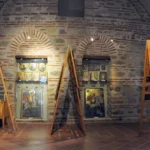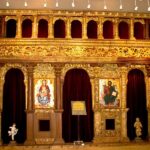
- In our previous edition, we began discussing the pastoral purpose of ecclesiastical museums. This week’s edition focuses on some considerations for its organisation. Ecclesiastical museums, like other repositories of history and faith, necessitate careful deliberation regarding their operational structure and curatorial duties. In contrast to secular museums, ecclesiastical museums also have to deal with the spiritual, ceremonial, and theological underpinnings of their artefacts. Ecclesiastical museums serve as indispensable cultural and educational centres, as well as fulfil a critical role in chronicling the historical narratives and traditions through the preservation of the artefacts. The artefacts that are preserved in an ecclesiastical museum can be both tangible and intangible. The former are physical objects that tell the story of faith, history and art. These could be artefacts of historical significance or those of diverse collections like vestments, illuminated manuscripts, devotional art like sculptures, paintings and other artistic works created for religious purposes. On the other hand, intangible cultural heritage is the non-physical aspect of a culture. They could include stories, rituals, traditions and practices associated with the religious history of a people. These could be represented through paintings, drawings, or other forms, allowing them to be conserved or reminded of such heritage, such as microfilms. Also, items in an ecclesiastical museum can either be liturgical or paraliturgical.
- The theological consideration that should be privileged in organising or gathering materials for an ecclesiastical museum is that the artefact should embody the historical memory and spiritual journey of the faith. Also, the original ecclesial and devotional context must be preserved. For instance, it is important to note if the artefact was originally created for sacred use, whether public or private devotion or otherwise. It could be of great good if the items are preserved with a brief history to state the theological meaning or spiritual truth that the object represents or seeks to communicate. For instance, a particular chalice can be in the museum because of the significance of who used it. If there are no histories or stories behind them, they could lose the meaning or connection for their preservation. Another consideration for the gathering of materials is that artefacts should contribute to the cultivation of moral values, spiritual edification and the documentation of spiritual heritage. The documentation should help narrate the evolution of theological thoughts, devotional practices and the church’s role in society over time. In a diocese, religious congregation, or institution, items for exhibition could include art-historical patrimony, including rules, statutes and registers. Artefacts without their documented history would sooner or later lose their meaning. Hence, below an artefact or object should be an inscription or a place where the stories are told to preserve it. As time passes, memories of events, persons, and times begin to fade; the ecclesiastical museum, through these representations, helps preserve these memories. Even sculptural works, moulding or photographs of persons or these memories or places are important to preserve the history of such a faith journey.
- The 1983 Code of Canon Law offers some prescriptions in setting up an ecclesiastical museum. Canon 1189, with reference to sacred images and relics, states that “if they are in need of repair, precious images, that is, those distinguished by age, art or veneration, which are exhibited in churches or oratories for the reverence of the faithful, are never to be restored with the permission of the ordinary; he is to consult experts before he grants permission”. Also, Canon 1283 paragraphs 2 and 3 regarding the administration of temporal goods of the Church states that: an accurate and precise inventory of immovable property, movable objects, whether precious or some cultural value, or other goods, with their description and appraisal” is to be made and then, “a copy of this inventory is to preserved in the archive of the curia”. In this regard, every museum should have both an inventory and a guideline which regulates how objects and artefacts are curated, which fosters mission and evangelisation.
- As a corollary to the consideration of policies, every museum, be it diocesan or parish, should have policies that guide its entry, conservation and safeguard against illicit activities, and it must be guided or supervised. National Episcopal Conferences can have a policy that could serve as a blueprint for Dioceses and parishes in maintaining a museum. While a central museum in a Diocese could be most fitting, each ecclesiastical institution can nonetheless have a reserved place for the keeping of art-historical patrimony with clear identification and description of their faith journey. These could form part of the preservation culture and patrimony of that institution. In the document of the Sacred Congregation for the Clergy, Circular Letter Opera Artis, 1971, it states that: “Whenever such work (sacred art) is considered no longer suitable for worship, it should never be destined for a profane use, but it should be placed in an adequate place accessible to everyone, that is either a diocesan or interdiocesan museum. The policy regulating a museum must cover policies that would ensure its administration and operation in line with standard ecclesiastical recommendations, security, and also criteria for acquisition, exhibition, and conservation of the works.
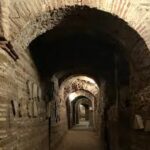
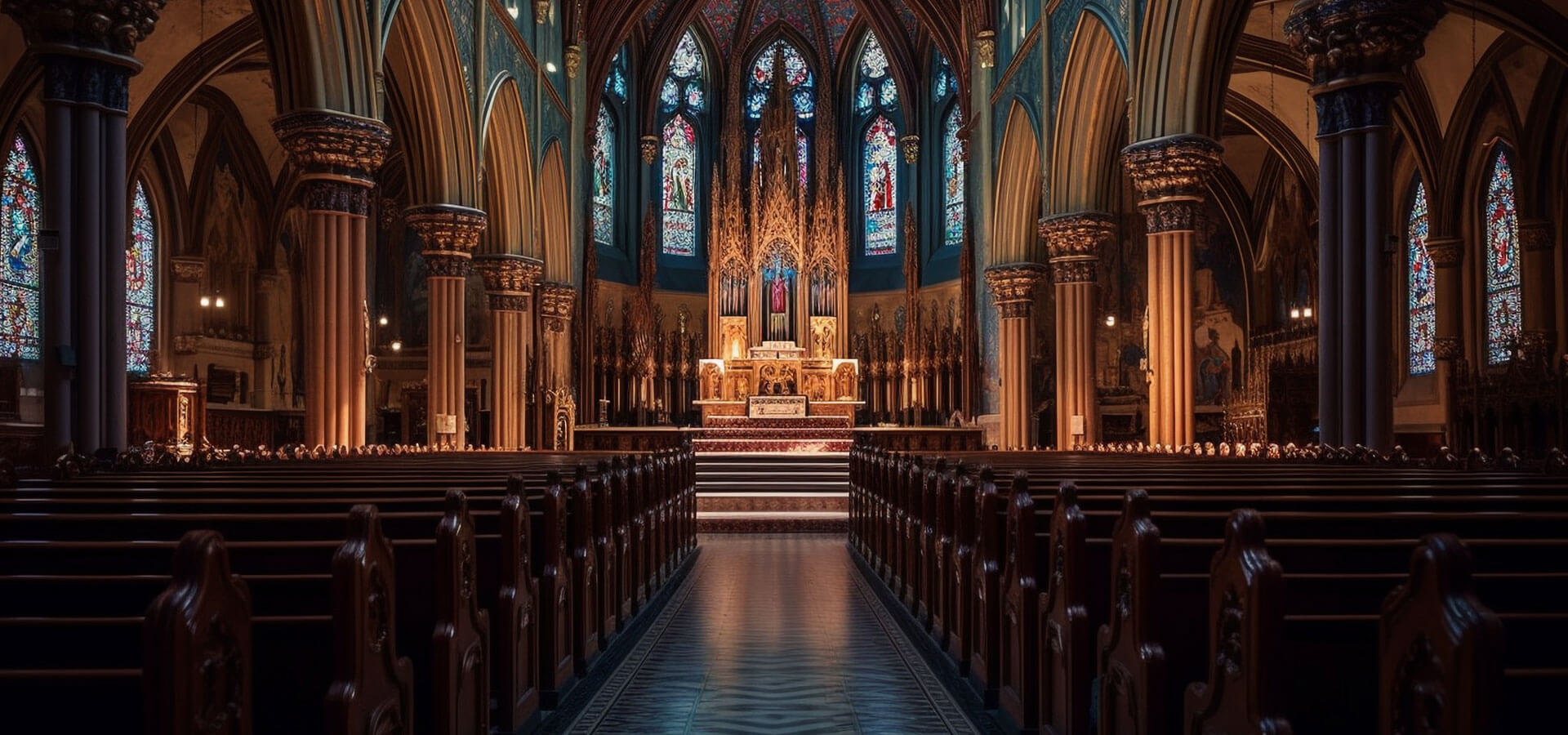
- An ecclesiastical museum must have a precise location in a building, and possibly on ecclesiastical property (“The Pastoral Function of Ecclesiastical Museums”, 2001). This building often holds significant architectural and historical value itself, which can serve to define and characterise the museum. For instance, an old church which is no longer in use can be used as a museum, or part of it can be converted into a museum. In fact, old churches should not just be demolished but preserved to show transitions, except when they are being modified and retained. But to completely bring down a church of great historic significance would be a disservice to ecclesiastical history. Such institutions could be used as museums, while the building itself serves as a place of visitation after restoration works are done; sections within could also serve as places for preservation and exhibition of other sacred art, history and patrimony. Ecclesiastical museums should allow for easy movement of visitors. Visitors should be given a guided tour upon their visit. The curator or director of the museum should have hands-on knowledge or information about the history and meaning of the objects and artefacts preserved in the museum. They typically lead the tour, providing interpretation and meaning for the items preserved in the museum. A diocesan museum could be managed by a priest or a layperson who is knowledgeable in conservation and ecclesiastical history. Museums should also be organised in sections, including a section of conservation, preservation, restoration laboratory and even multimedia sections that can show visuals of history. In some museums, not all the works are open for people to see. Delicate materials that are susceptible to corruption or destruction could be preserved for a few. One of the goals of museums is to facilitate cultural formation, and so some museums could have a specialised library that provides further details on some of the materials conserved. Ecclesiastical institutions should privilege the trio of a library, archive and a museum in the preservation of ecclesiastical patrimony, and these are very instrumental in enhancing pastoral mission and evangelisation in a profound way.