

Month: June 2025
-

05: The Vatican Apostolic Archives: Myth and Meaning
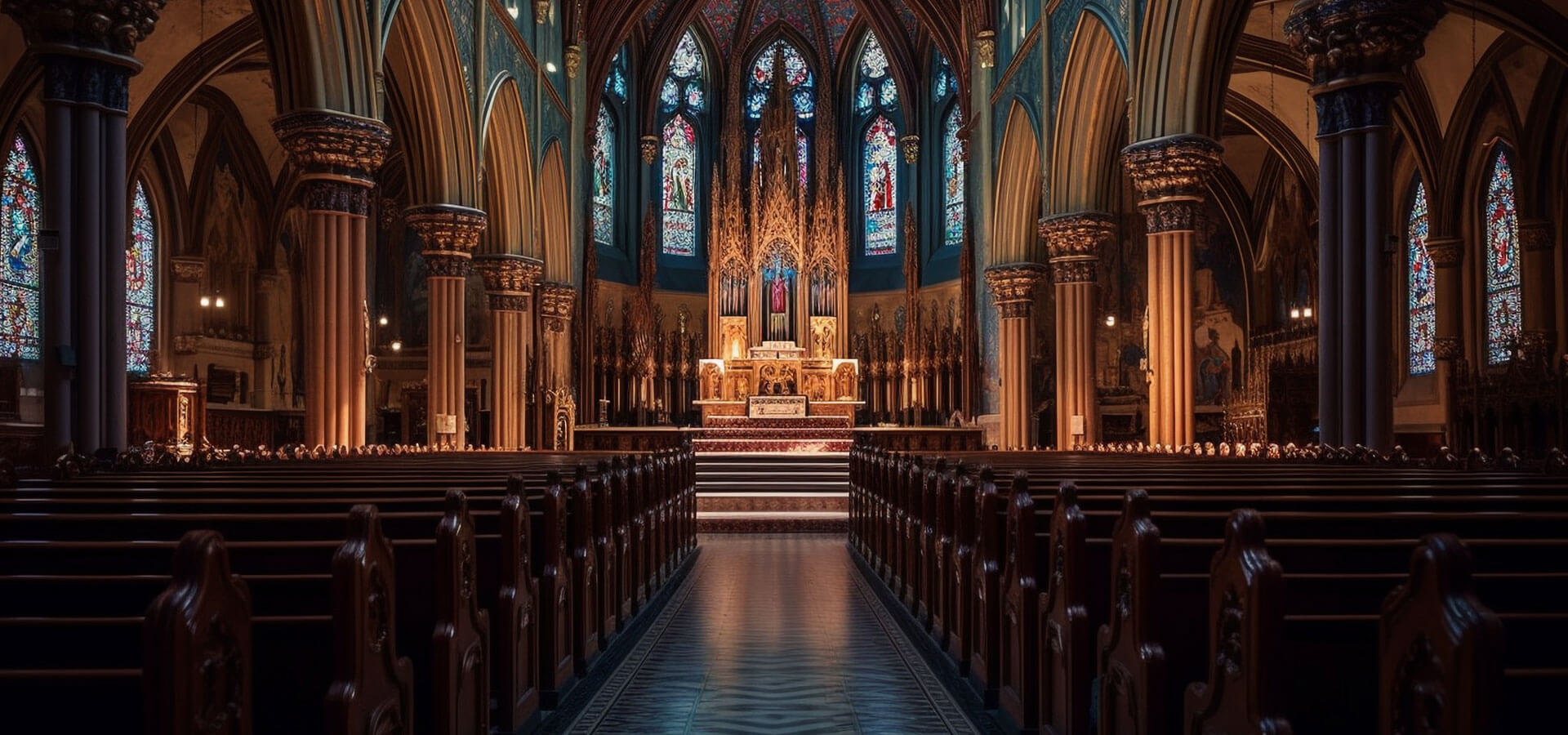
Delve into a world of centuries-old manuscripts housed behind fortress-like walls, where myths meet archival reality. Within its labyrinthine corridors lie records stretching back to the 8th century, from papal bulls and trial transcripts to pleas from monarchs—all meticulously preserved.
-
04: The Management of Ecclesiastical Archives: Some Considerations
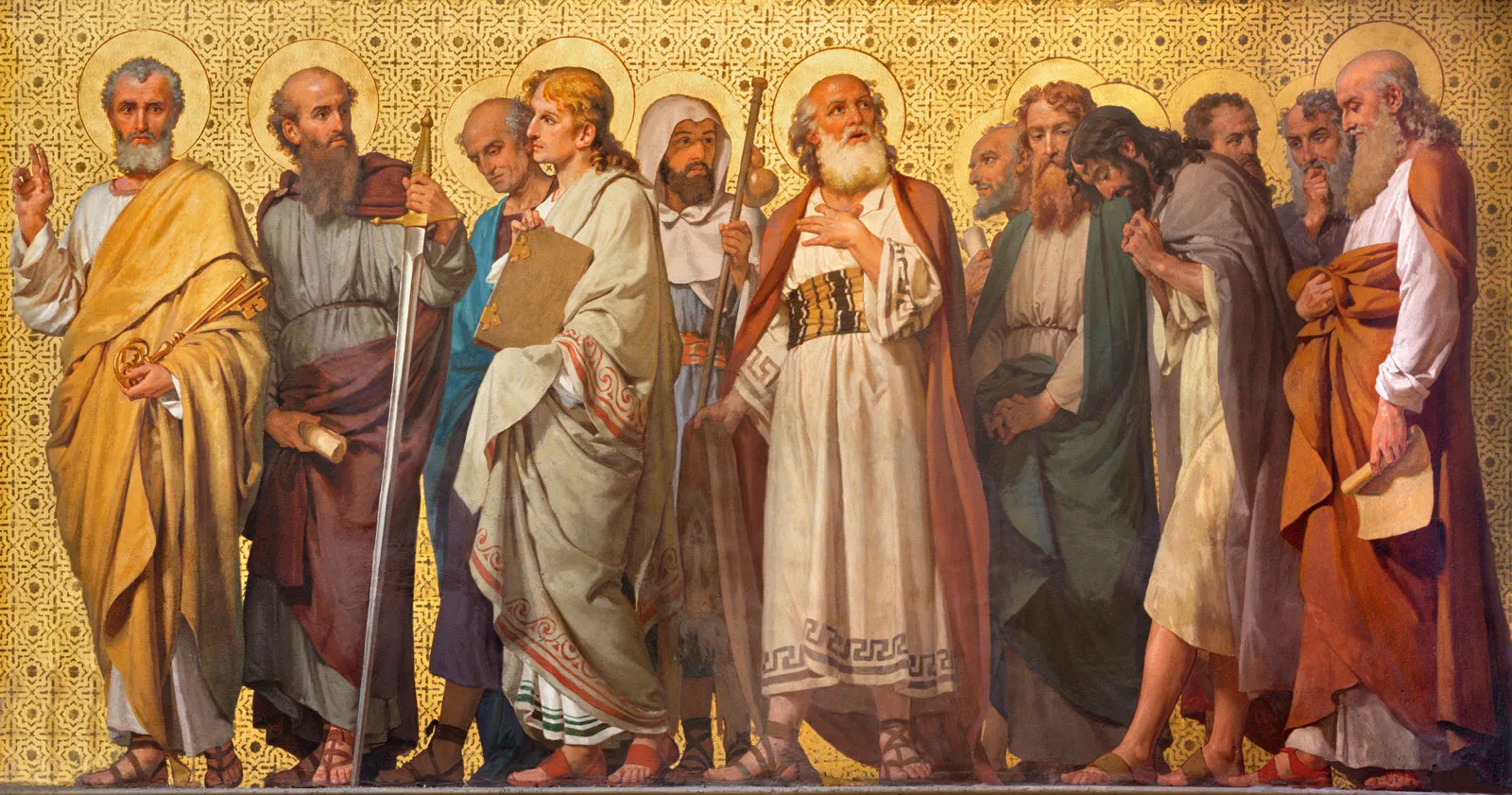
Ecclesiastical archives are more than dusty repositories—they’re dynamic systems that connect past and present. Effective management requires careful categorization, secure and climate-controlled storage, and detailed inventories—whether physical or digital. Drawing upon principles like provenance and respect des fonds, it’s crucial to maintain original order and unique context. Adopting modern tools—computerized catalogues, digitization, microfilming—enhances accessibility while…
-
03: The Pastoral Purpose of Ecclesiastical Archives
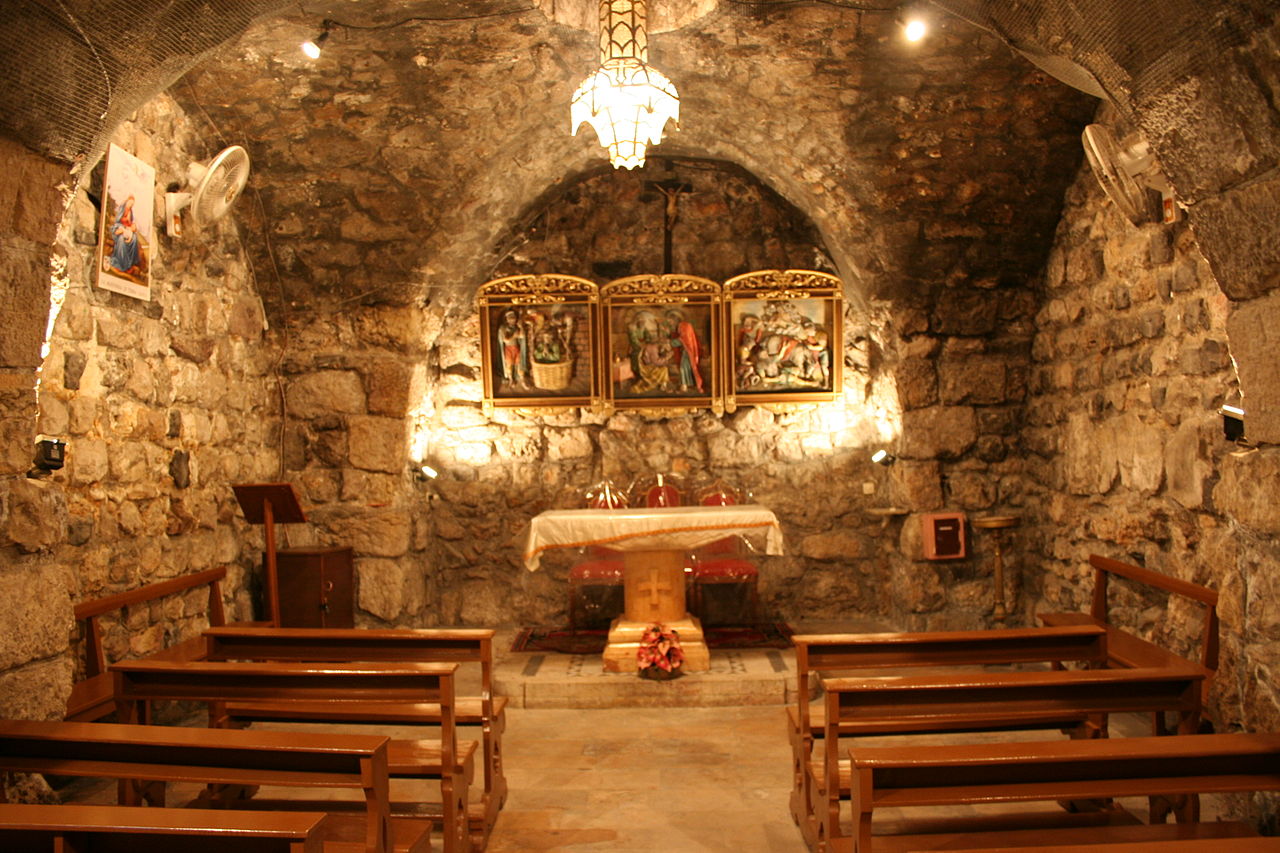
Ecclesiastical archives are often seen as dusty vaults of the past, but they hold far more than historical records. They are living testimonies of faith, service, and community, essential to the Church’s pastoral mission. This blog post explores how well-maintained archives support continuity in ministry, inform decision-making, and strengthen the identity of faith communities. From…
Popular Posts
- 09- The Roman Catacombs as Testimonies of Christian Hope
 Far from being dungeons of fear or secret hideouts, the Roman catacombs stand as silent witnesses of faith, hope, and the resurrection. Built from the late 1st century onward, inspired by Jewish burial practices, they became resting places for Christians, martyrs, and even popes. Their walls bear simple inscriptions like “Vivas in Christo” and symbols such as the fish, anchor, and Chi-Rho — all proclaiming that death was not the end, but the gateway to eternal life. In the words of Pope Francis: “In the catacombs, everything speaks of hope, everything: it speaks of life beyond death.”
 - 08: Organisation of an Ecclesiastical Museum: Some Considerations
 Museums serve as vital custodians of cultural and spiritual heritage, and ecclesiastical museums hold a unique place in preserving the sacred. These spaces do more than exhibit artifacts—they narrate the evolution of faith, tradition, and community through time. Curating such a museum requires careful attention to both historical integrity and spiritual reverence. In this post, we explore essential considerations for organizing an ecclesiastical museum, highlighting the importance of thematic clarity, liturgical context, and visitor engagement. Whether you’re involved in church heritage or simply curious about religious curation, this reflection offers valuable insight into the thoughtful stewardship of sacred objects.
 - 07: Why Ecclesiastical Museums Matter: A Pastoral Perspective
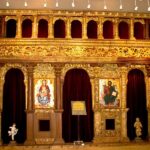 Ecclesiastical museums hold more than artifacts; they embody the living memory of faith, culture, and community. These spaces preserve sacred art, liturgical objects, and historical narratives that speak to the spiritual journeys of generations. Beyond their aesthetic and historical value, such museums serve a pastoral mission—educating, inspiring, and deepening the faithful’s understanding of their religious heritage. They foster dialogue between tradition and modernity, offering visitors a chance to encounter the sacred in tangible form. In an increasingly secular world, these institutions remain vital touchpoints for reflection, identity, and spiritual renewal within the broader context of pastoral care and mission.
Archives
- August 2025 (1)
- July 2025 (3)
- June 2025 (3)
- May 2025 (2)